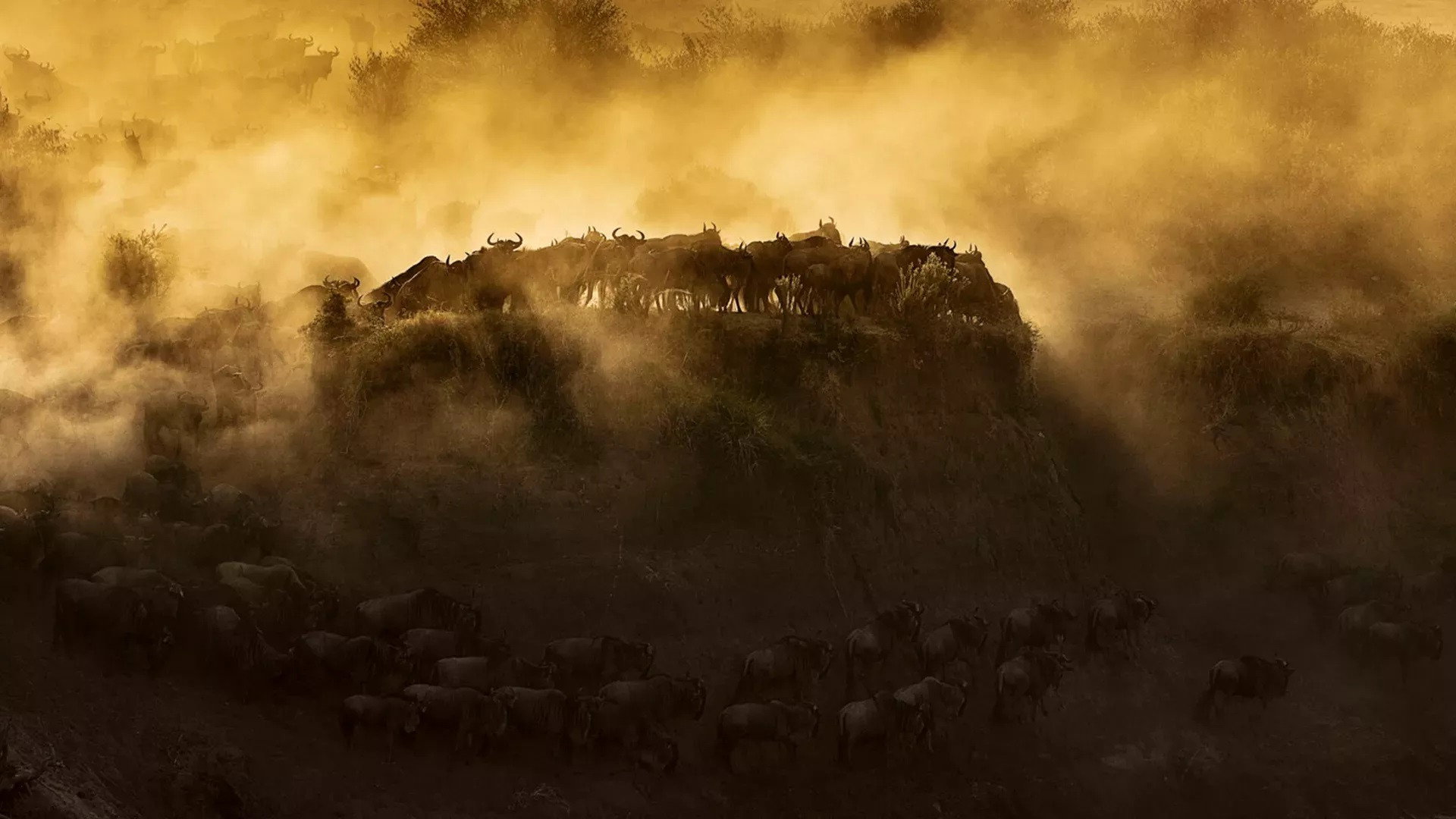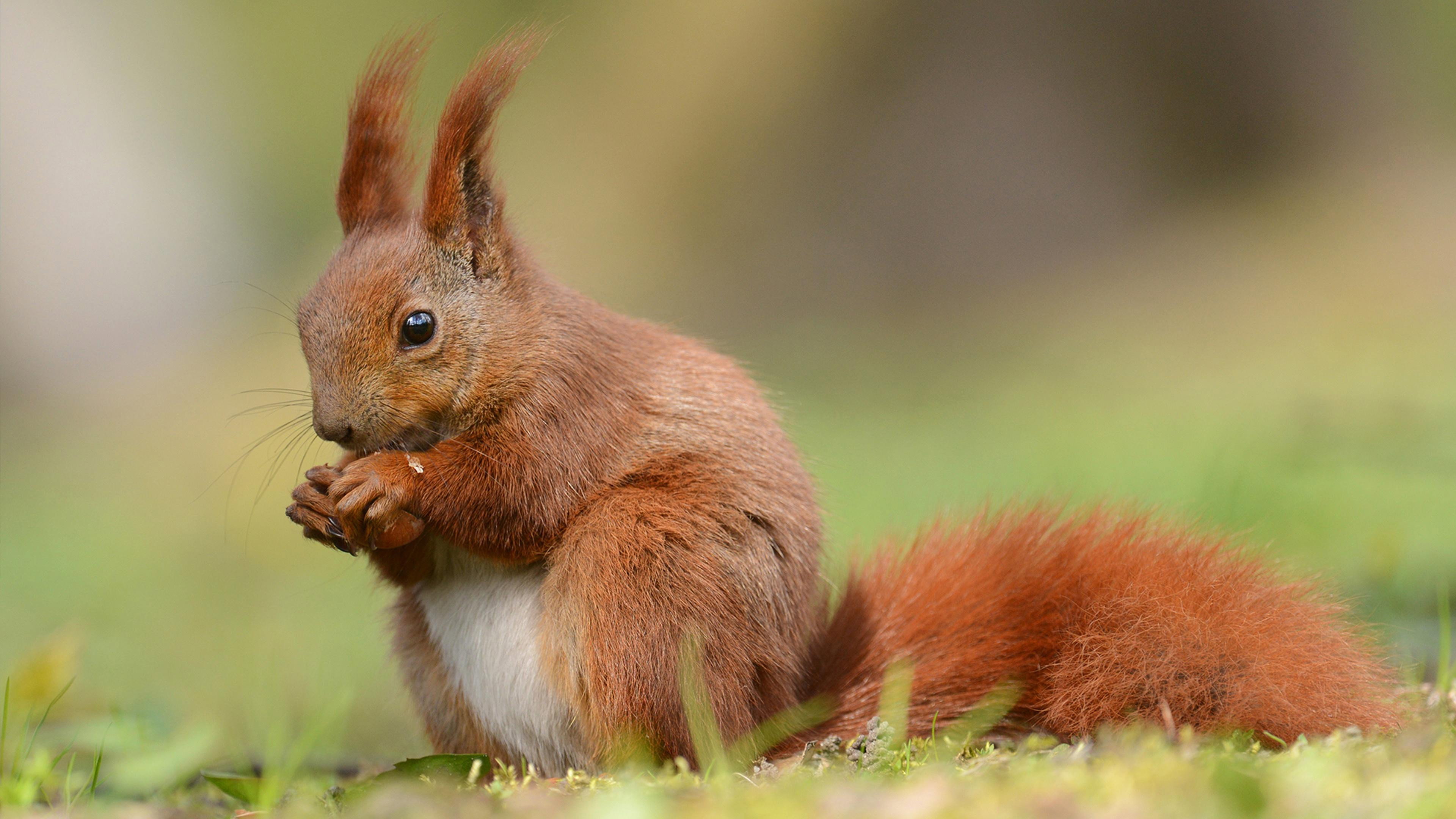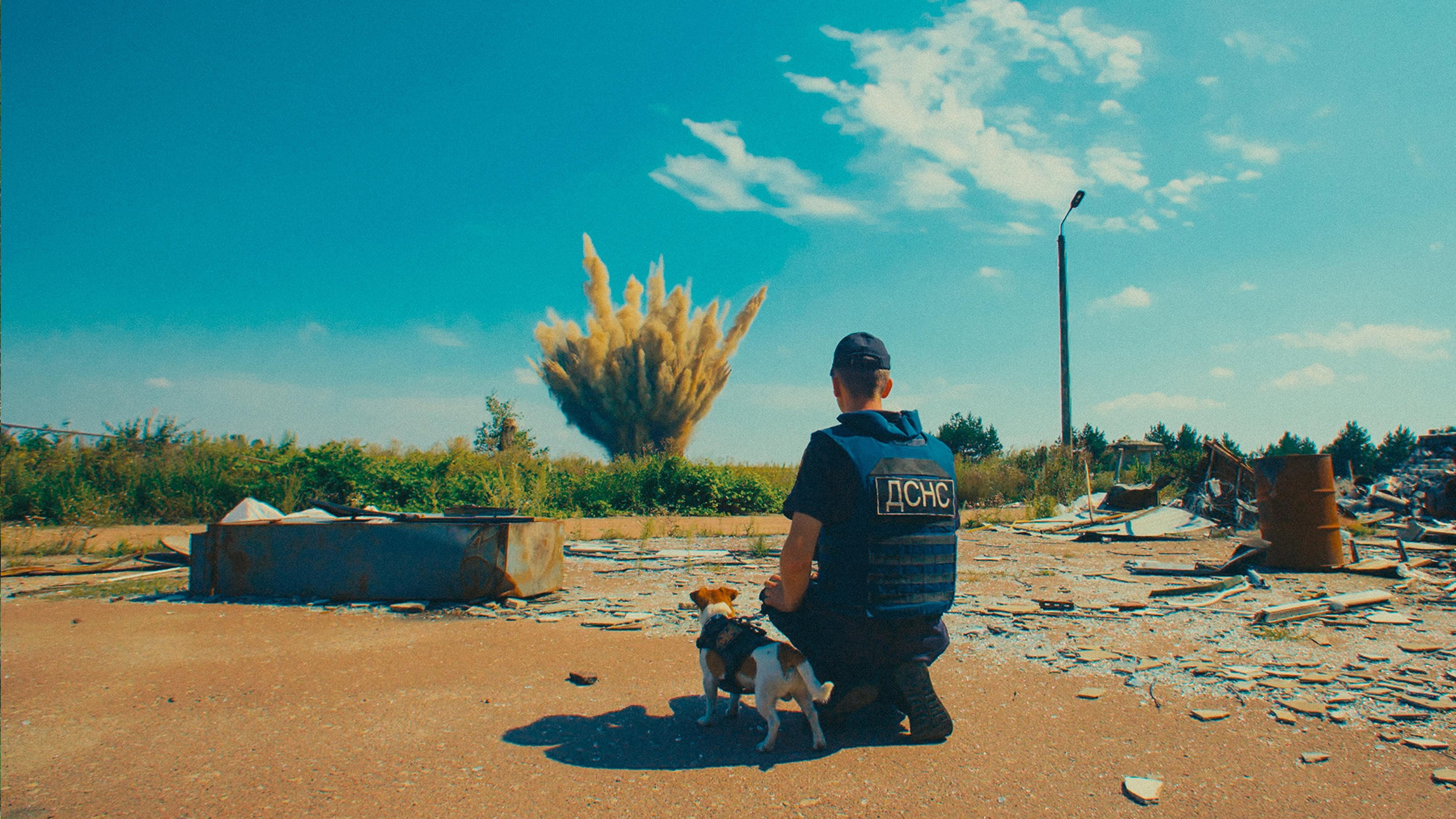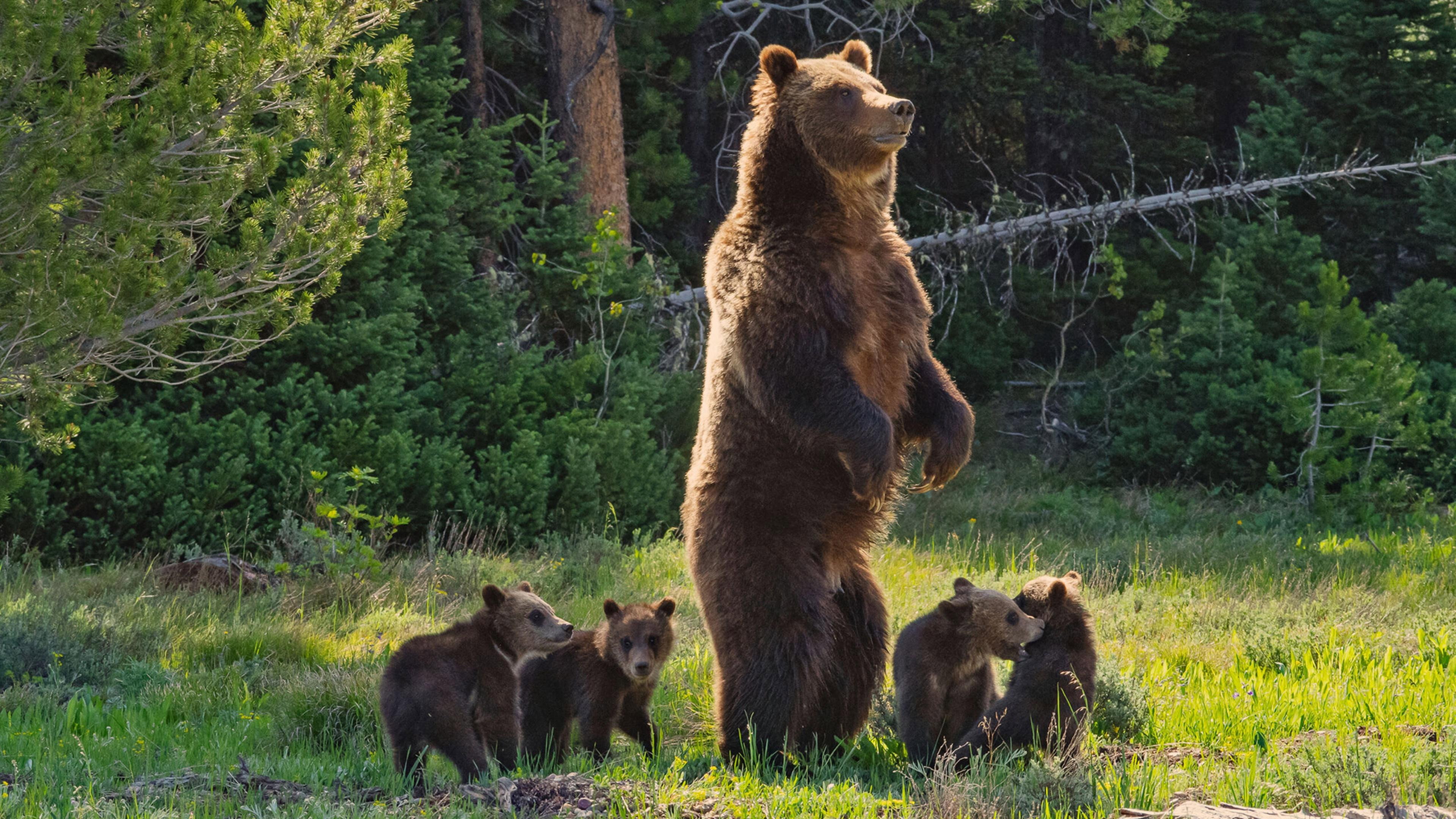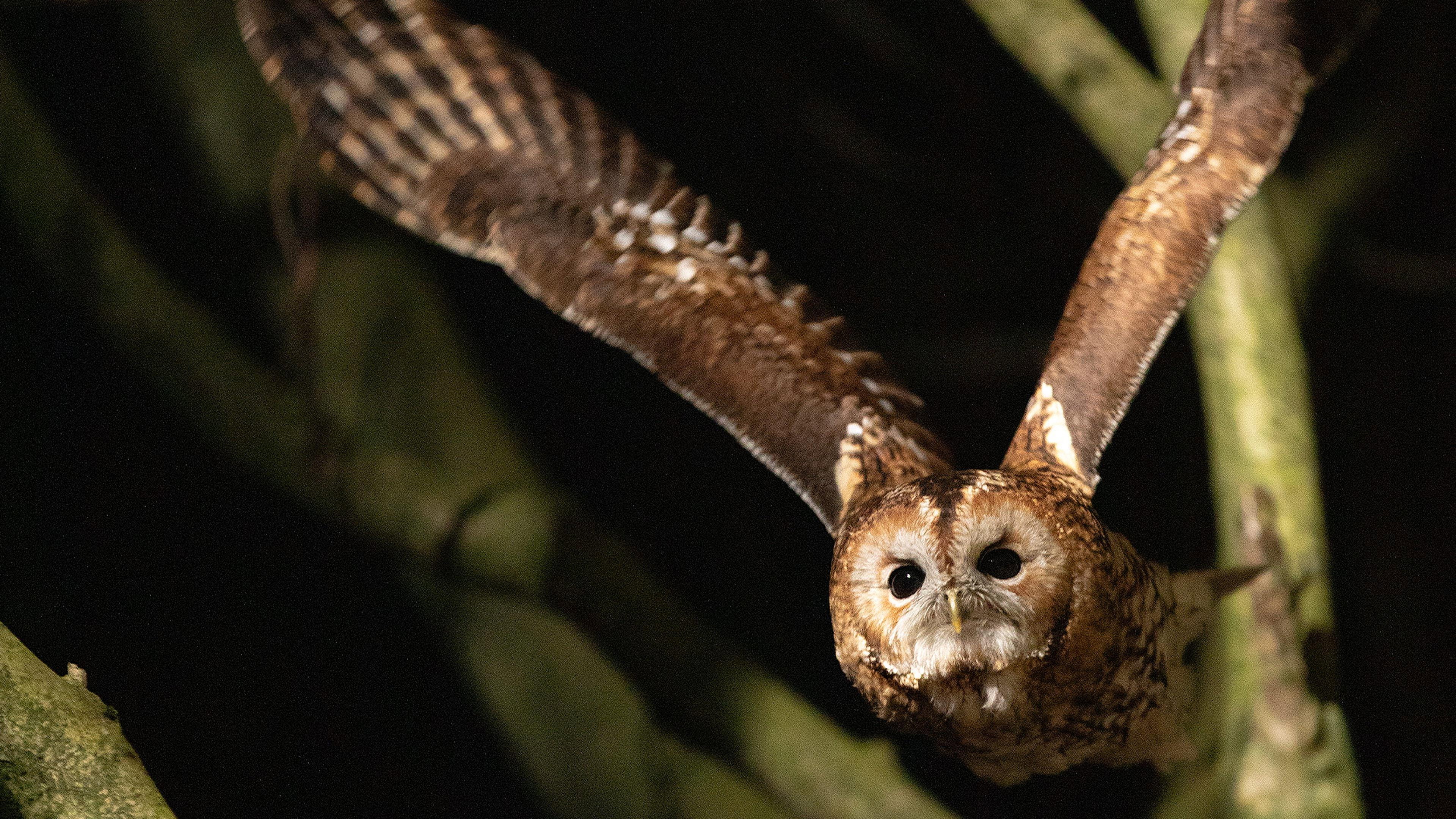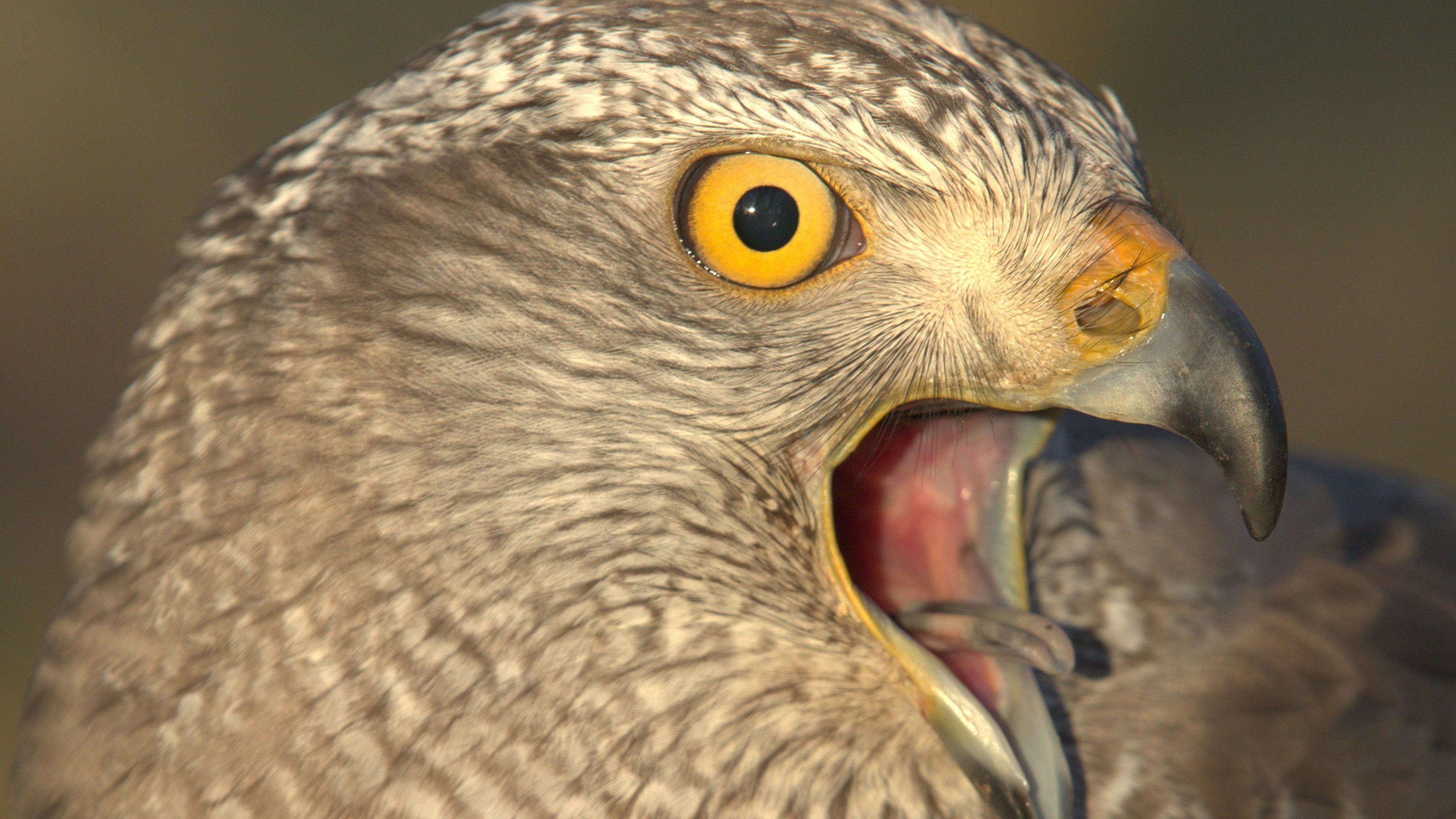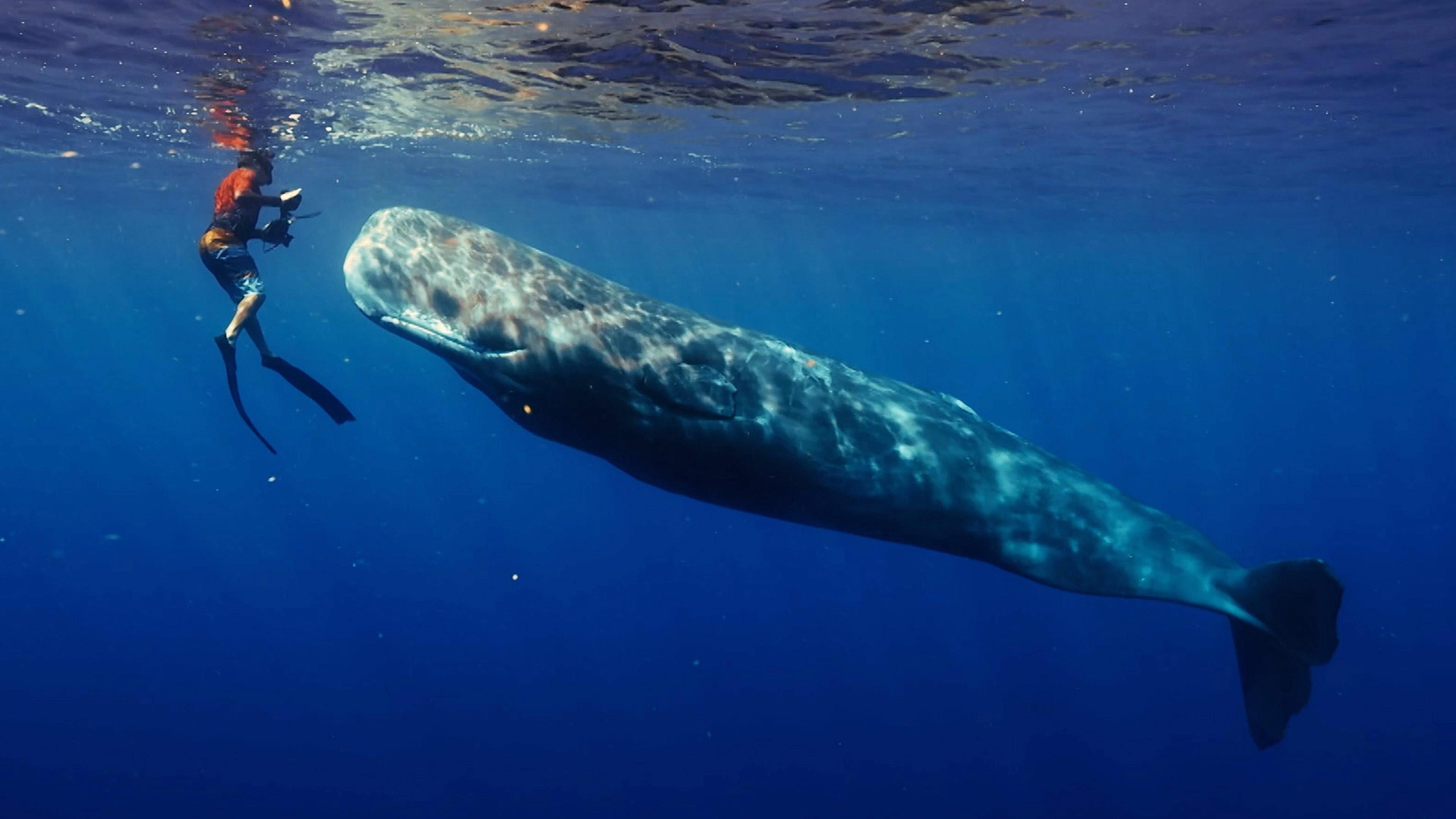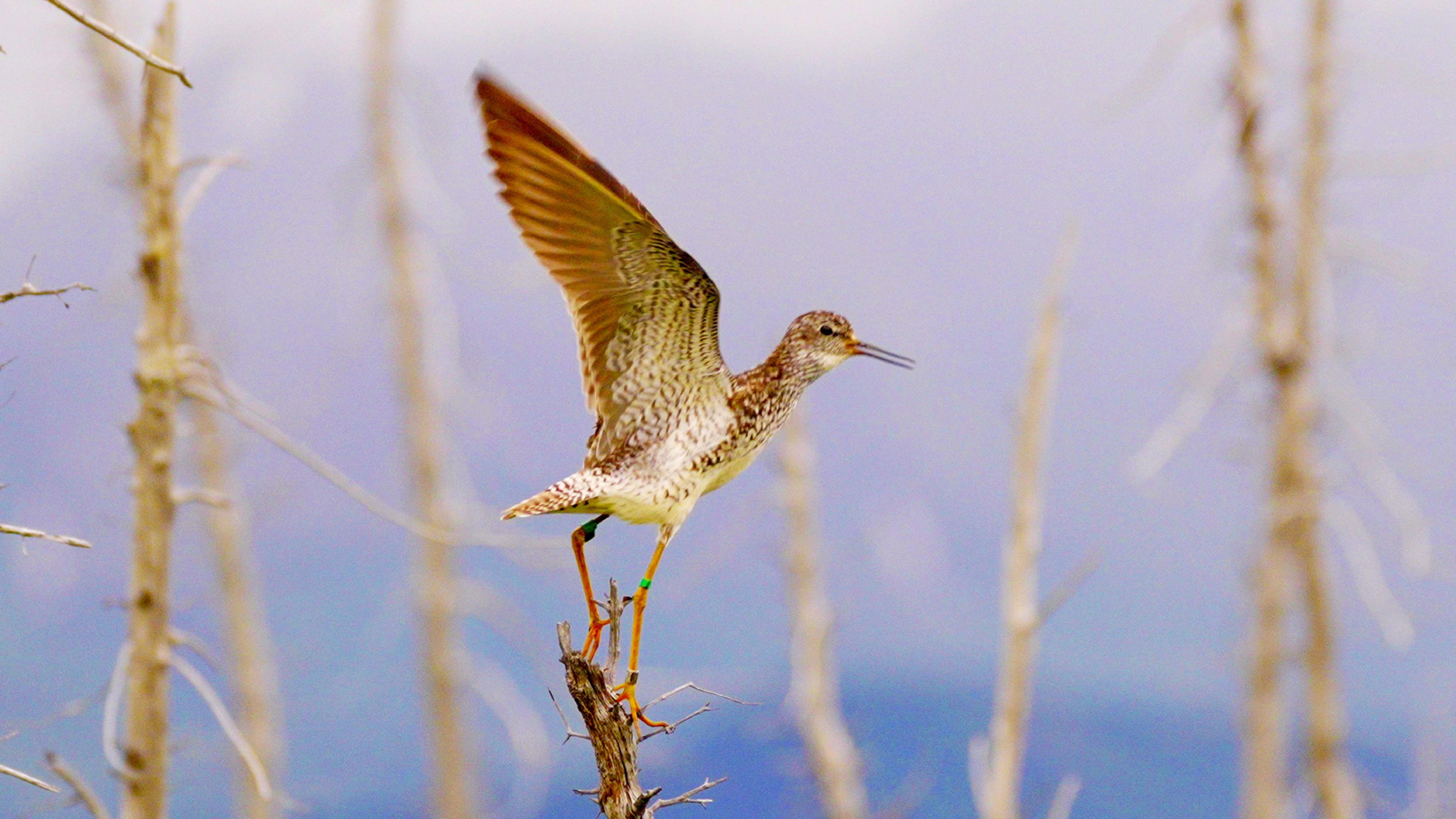
Canine Conservationists | WILD HOPE
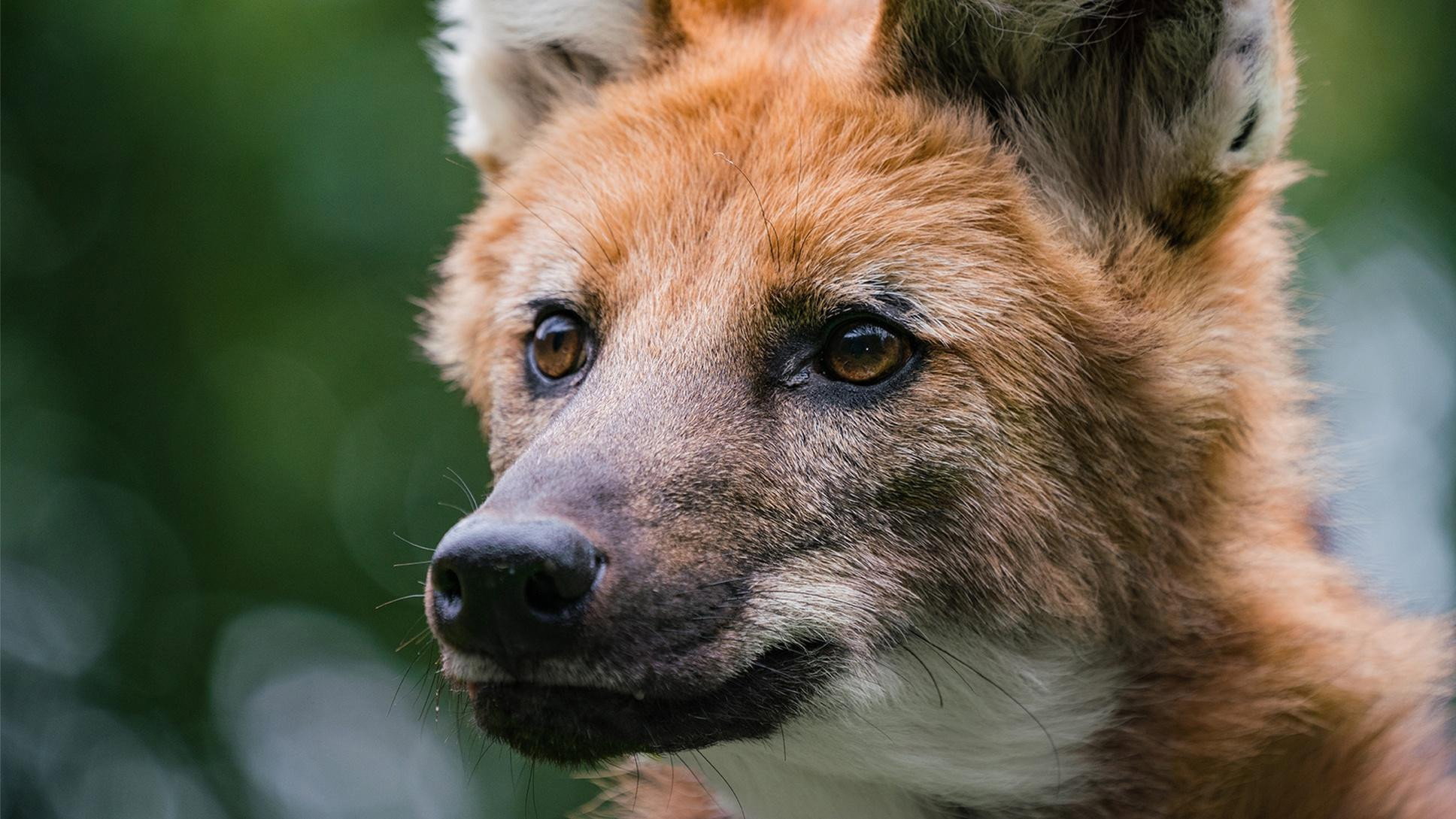
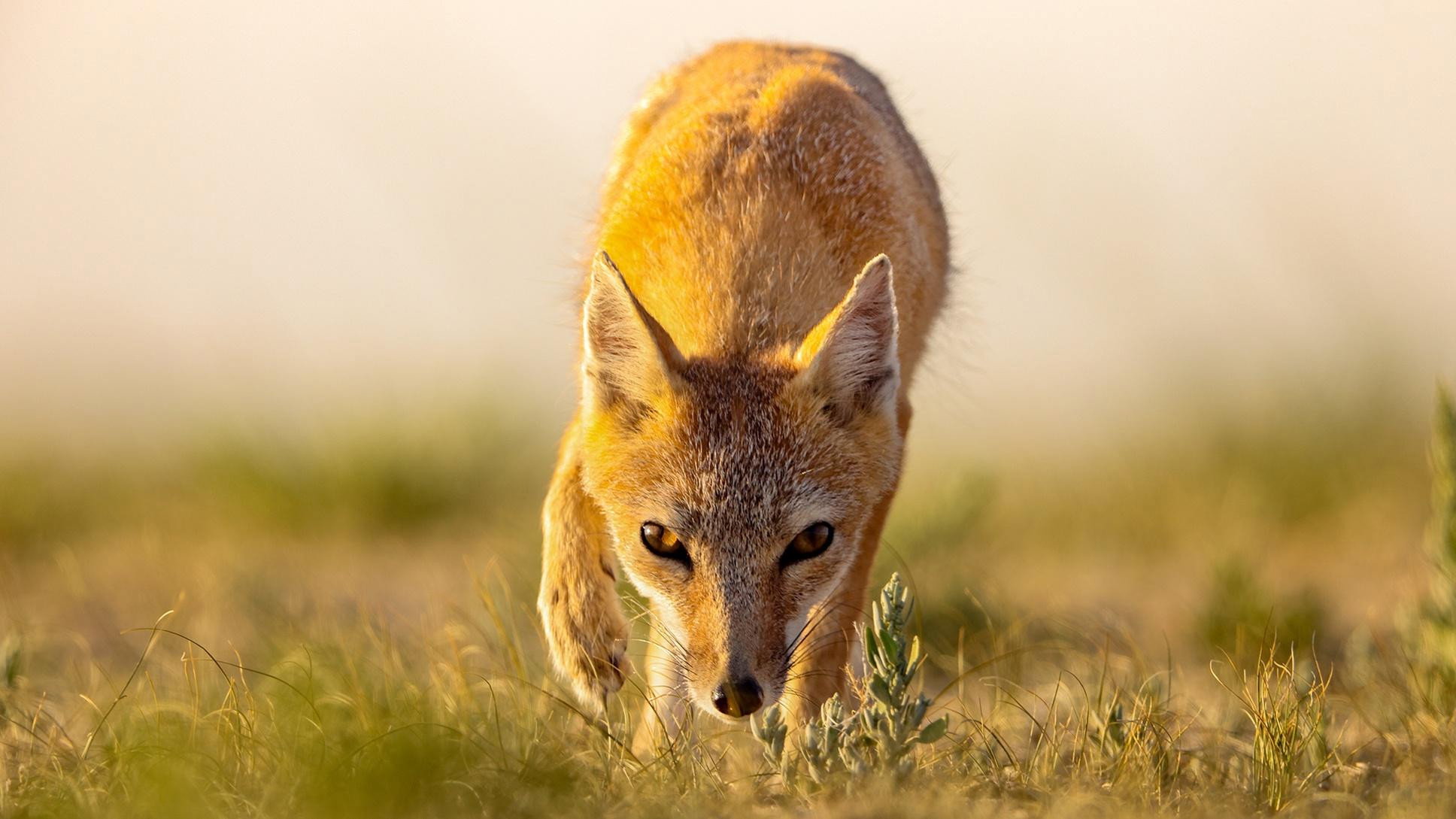
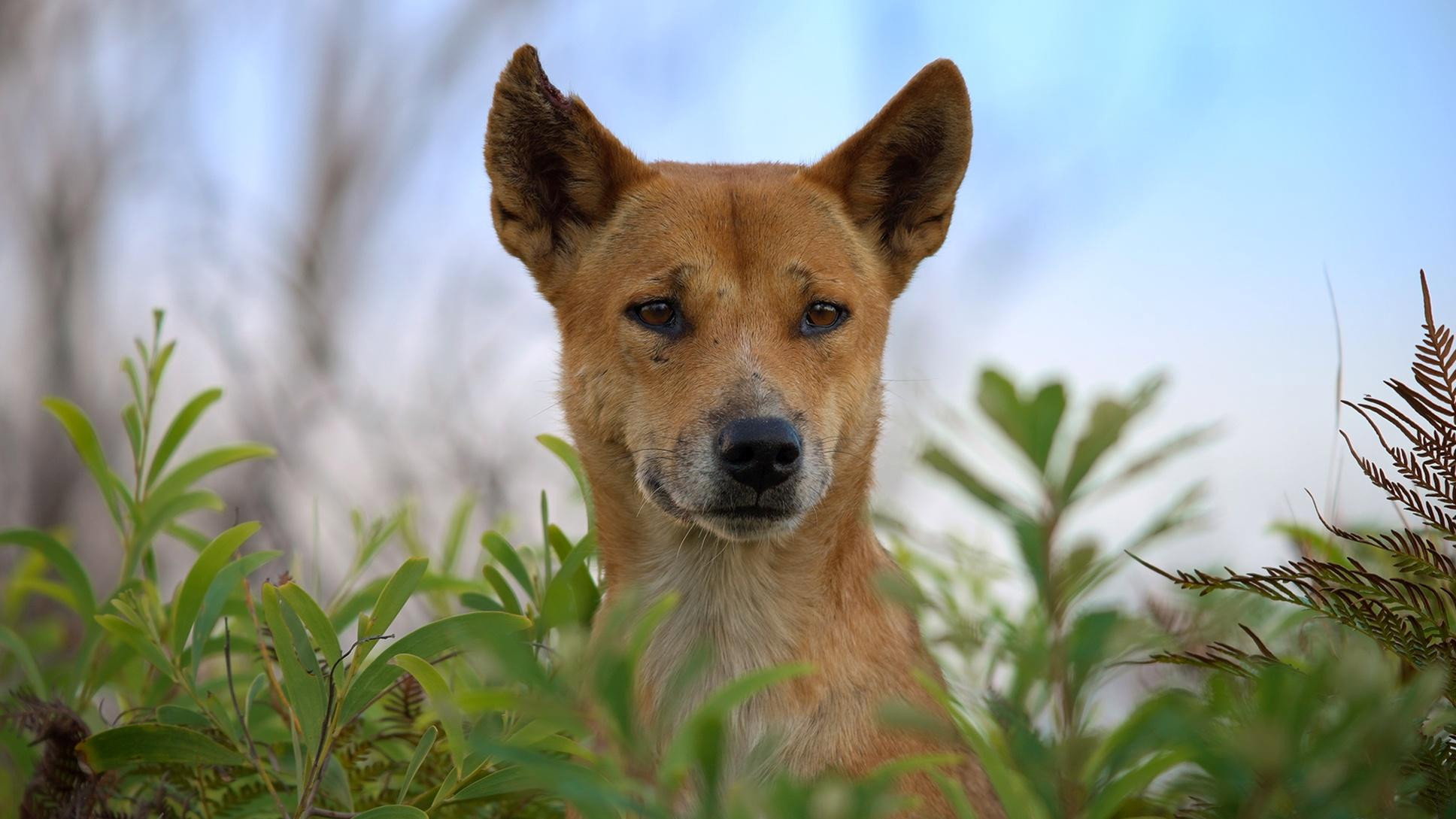
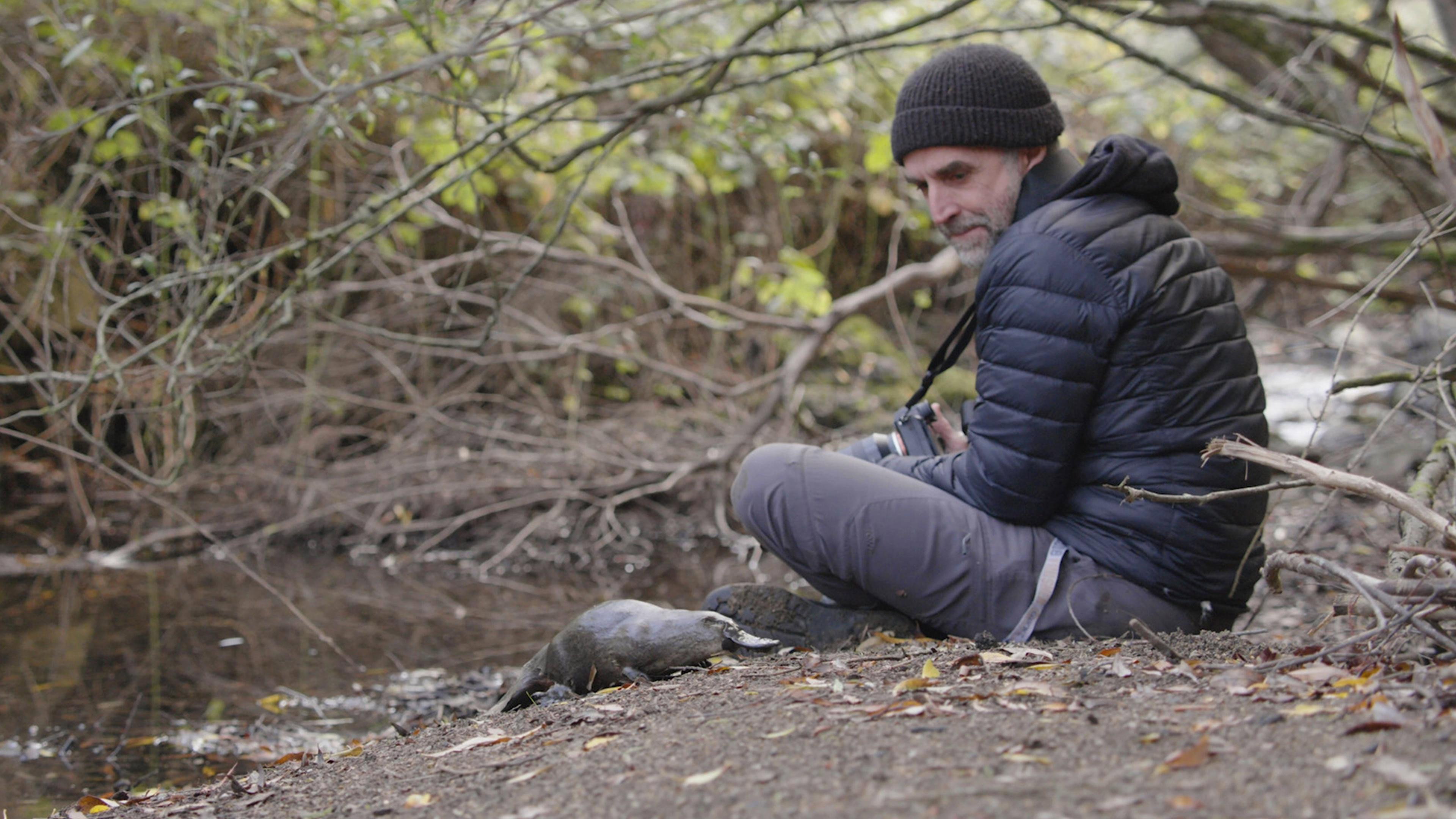
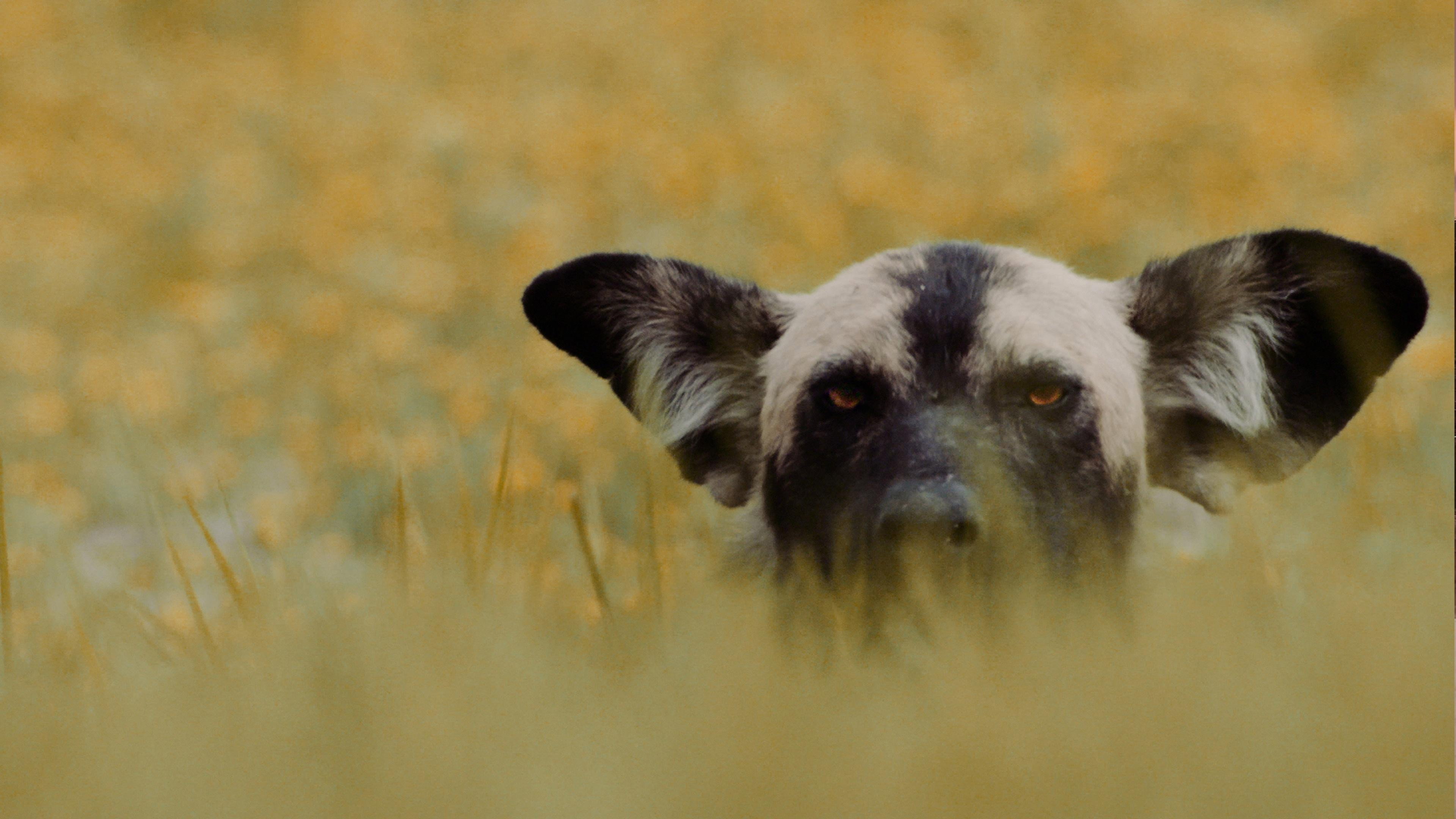
Dogs are often thought of as humans’ best friends. But in Australia, they’re also being enlisted to save other species. Canine conservationists—and their sensit...
The axolotl—an amphibian with incredible regenerative abilities—is ubiquitous in pet stores, science labs and pop culture, yet almost extinct in the wild. Now, ...
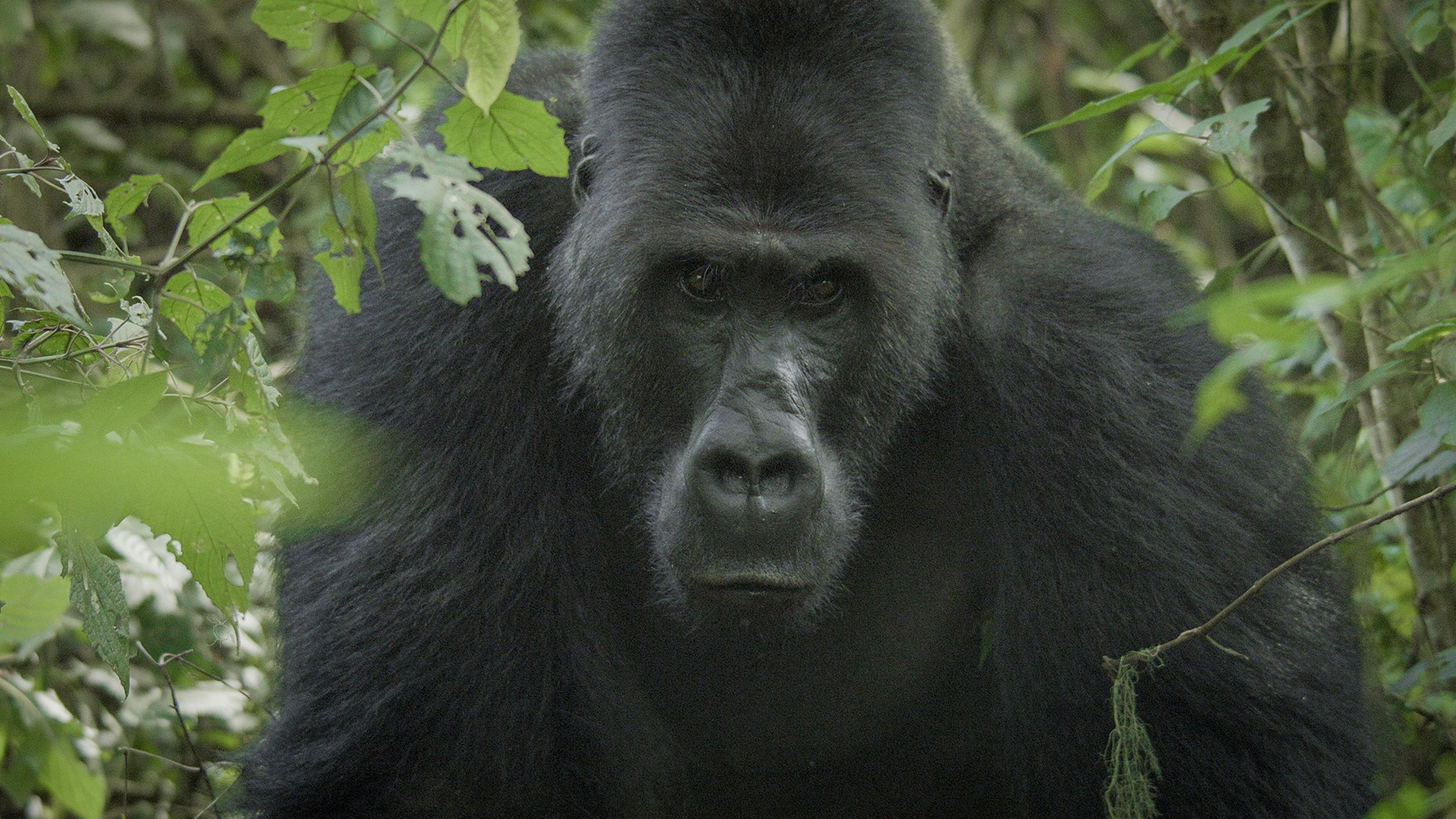
Decades of war and unsustainable agriculture have stripped almost half the trees from the rainforest atop Mozambique’s Mount Gorongosa. The devastation threaten...
Ten years after the largest dam removal in history—on the Elwha River, in Washington State—scientists are chronicling an inspiring story of ecological rebirth. ...
Ecuador is one of the most biodiverse places on the planet, yet its wild spaces are also among the most threatened. In 28, the country became the first nation i...
One of the most inspiring conservation stories in American history is playing out on, of all places, a live-fire training ground at Ft. Bragg Army base in North...
The surprise return of beavers to the British countryside brings benefits and controversy for humans and wildlife alike. The work of these famously busy rodents...
New York Harbor was a haven of incredible underwater biodiversity—until centuries of pollution turned it into a cesspool. Today, an alliance of architects, rest...
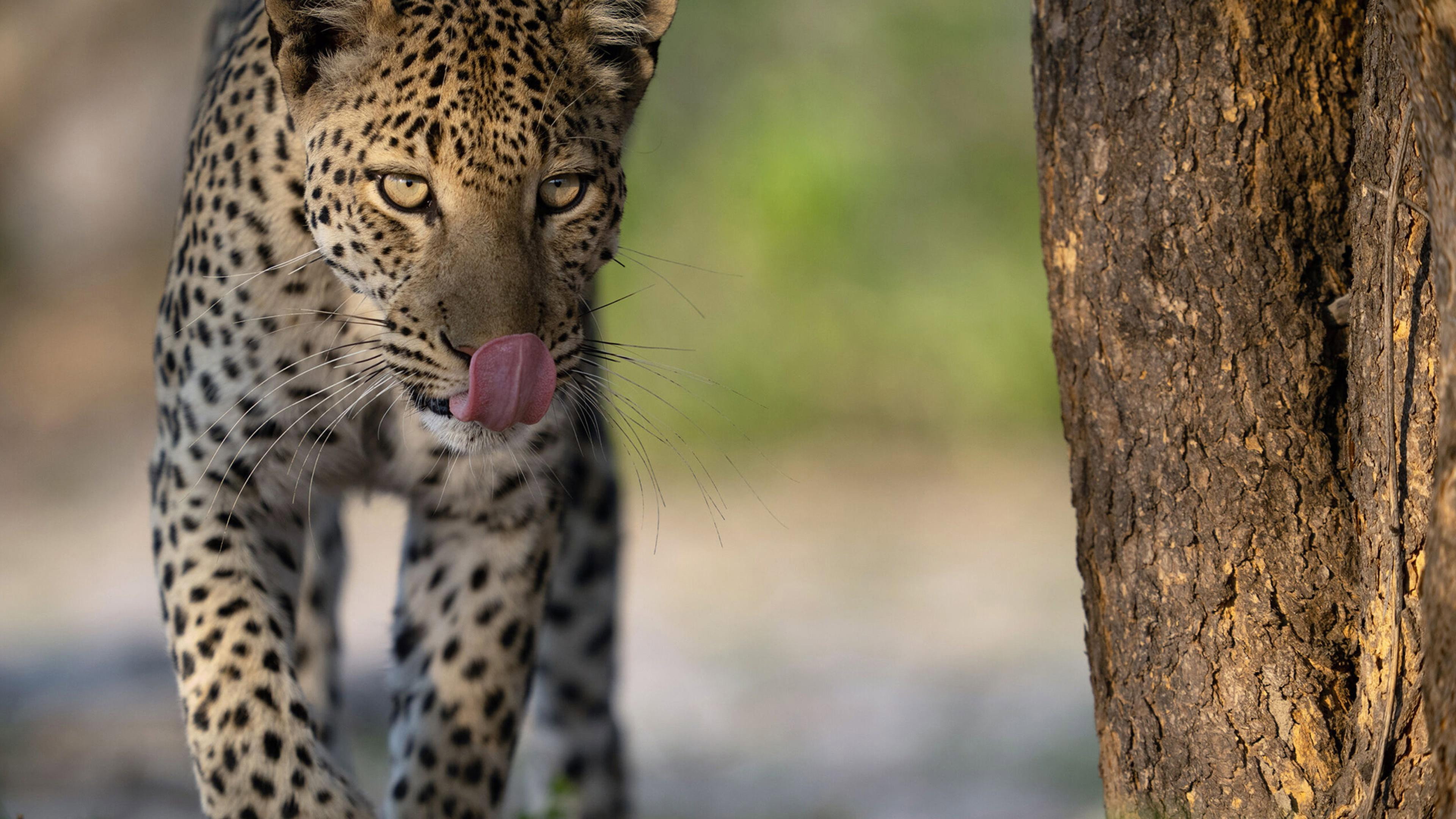
A five-year retrospective includes clips from The Flight of the Condor, Leopard: A Darkness in the Grass, Kingdom of the Ice Bear, Cats, The Gooneys of Midway, ...
Sit back, relax, and experience the animals, landscapes, and awe of Yellowstone National Park in winter....
In the frigid Indian Himalayas, people manage to eke out a living alongside one of Asia’s most elusive cats: the snow leopard. Today there may be as few as 4, o...
Biologist Jack Hogg has been studying a herd of wild bighorn sheep on Montana’s National Bison Range for more than years. When Jack’s herd gets infected with a ...
Join Lisa Dabek and her team with Woodland Park Zoo’s Tree Kangaroo Conservation Program as they journey into the remote cloud forests of Papua New Guinea. Meet...
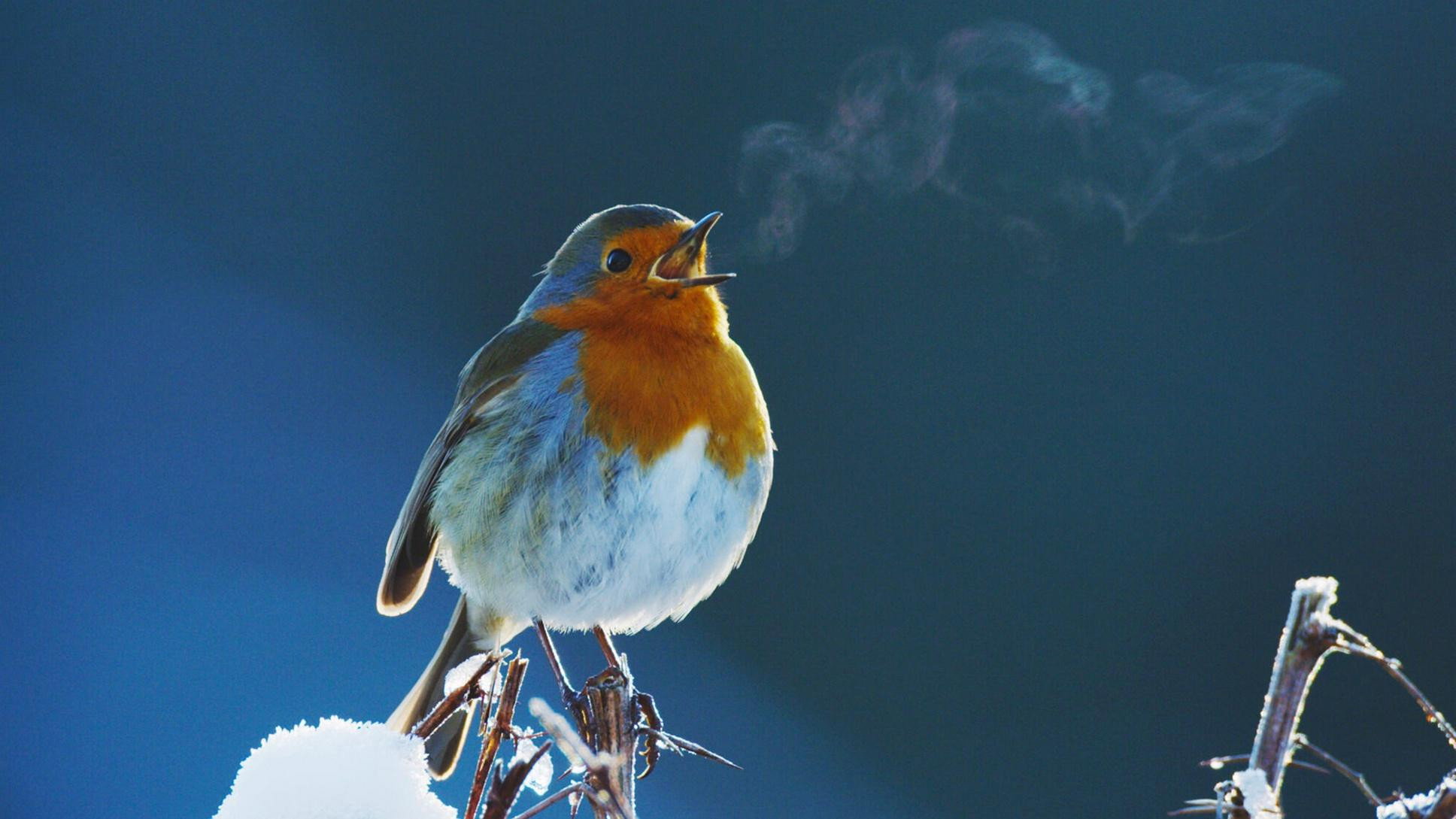
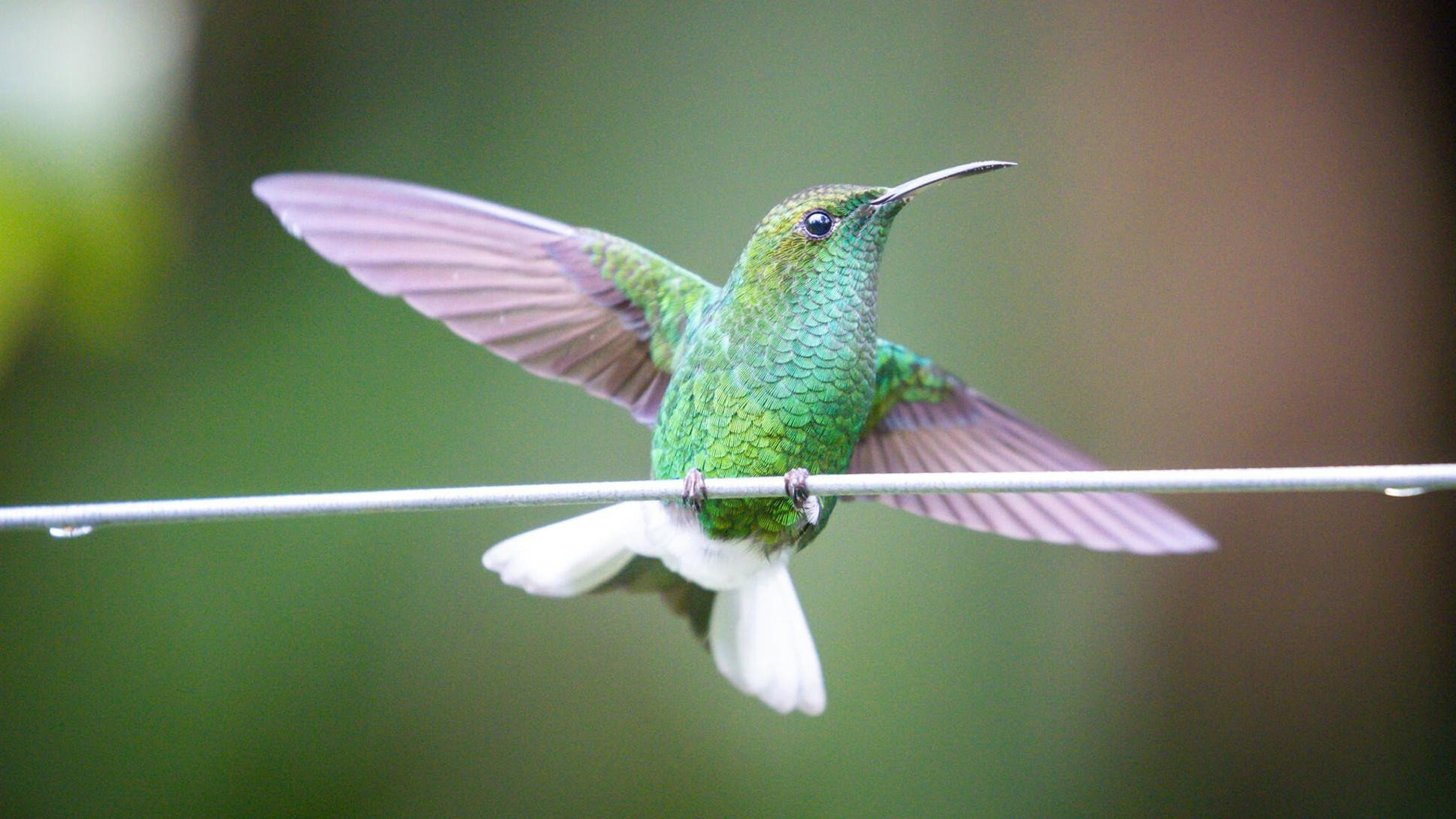
This pledge period special airs throughout December, 214 and contains segments from 16 of Nature's films about birds....
Scientists and bee experts discuss the crucial role that honeybees, a "keystone species," play in our economy and ecosystems, as well as bees ' fascinating soci...

Acting

Acting

Acting

Acting

Acting

Acting

Acting

Acting

Acting

Acting

Acting

Acting

Acting

Acting

Acting

Acting

Acting

Acting

Acting

Acting

Acting

Acting

Acting

Acting
Valoración

Nature's First Season: Unveiling the Wonders of the Natural World I. Introducción La serie Nature, estrenada por la BBC en el año 1982, es una producción documental que invita a los espectadores a descubrir y explorar el magnífico mundo natural en su faceta más pura y despojada. No representa secuela, precuela, spin-off ni reboot de otra serie. II. Concepto y temática La serie Nature se enfoca en presentar documentales sobre la vida natural en todos sus niveles: desde los microorganismos hasta las más complejas ecosistemas terrestres y marinos, pasando por las formas de vida animal y vegetal que habitan nuestro planeta. Cada episodio de Nature aborda un tema específico, explorándolo con rigor científico y presentando imágenes captivas que reflejan la belleza y diversidad de la Naturaleza. III. Origen literario Nature no es una adaptación de ninguna obra escrita previamente. IV. Objetivo de la serie La serie Nature está dirigida a todos aquellos interesados en el conocimiento y apreciación de la Naturaleza, independientemente de su edad o nivel de conocimientos. Es un recurso valioso para estudiantes, educadores, investigadores, naturalistas, y simplemente para aquellos que deseen expandir sus horizontes y acercarse más a la maravillosa diversidad de vida que nos rodea. V. Momentos destacados La primera temporada de Nature presentó varios documentales memorables, entre los cuales se encuentran: "The Great Plains", donde se explora la amplia extensión de praderas y bosques del centro de América del Norte; "The Ant People" que se dedica a las formas de vida de las termitas y las hormigas; y "The Whale" que sigue a las ballenas blue durante su migración. VI. Personajes principales La serie Nature no tiene personajes en el sentido tradicional de la palabra, ya que se centra en la descripción y exploración de los fenómenos naturales y formas de vida en lugar de concentrarse en individuos o actores. VII. Recepción de la crítica especializada La recepción de la crítica especializada para la primera temporada de Nature ha sido en su mayoría positiva, destacando su calidad visual, científica y pedagógica. Los comentarios han alabado el rigor y precisión con que se abordan los temas naturales y la belleza de las imágenes captadas. VIII. Duración y producción La primera temporada de Nature consta de 12 episodios, cada uno dedicado a un tema específico en el mundo natural. El equipo de producción consistió en científicos especialistas, camarógrafos y editores que trabajaron juntos para presentar una visión precisa y acabada de los fenómenos naturales. IX. Nuevas temporadas Hasta la fecha, han sido emitidas 48 temporadas más de Nature, lo que demuestra el gran interés público en seguir explorando el mundo natural a través de esta serie. La producción continúa actualmente, y se espera su estreno de la temporada 49 en el año 2023.